

ここからコンテンツです。
Seamlessly integrating software and hardware to create the ultimate computer for the AI era
Yukinori Sato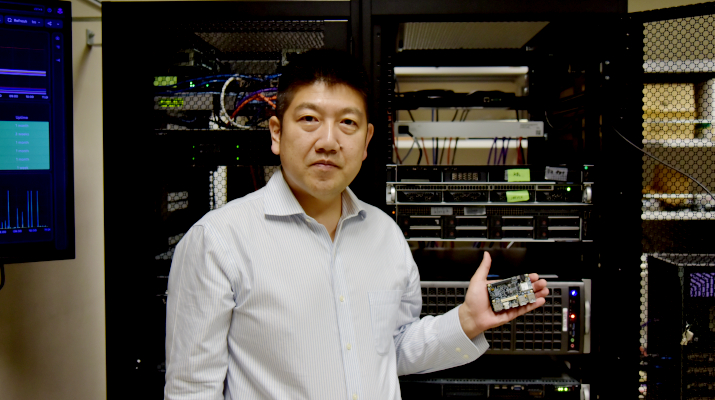
Given the rapid progress of AI*, the bar has been set ever higher for the computers of tomorrow face increasingly high expectations. The key to achieving this development lies not only in semiconductor and processor technologies, but also in the technologies that connect hardware and software, such as “compilers”, which translate human-written programs into computer language. This is why Associate Professor Yukinori Sato, in pursuit of the ideal computer of the future, has set his sights on such interfaces.
*Artificial Intelligence
Interview and report by Madoka Tainaka
Creating a new programming language for cloud environments
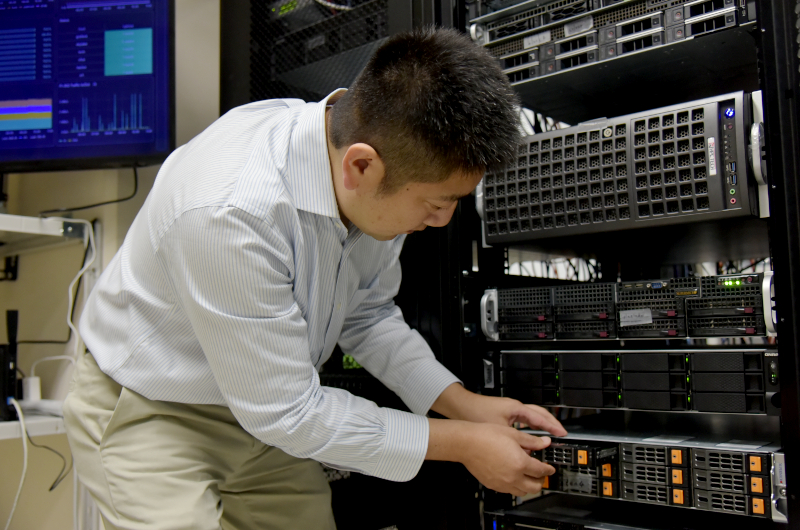
“I am designing the next-generation computers that will be needed in the age of AI. As you know, computers consist of hardware such as CPUs and memory made up of semiconductor elements (transistors), along with software such as operating systems, applications, and programming languages. My aim is to create high-performance, ultra-efficient computers by optimally connecting the interfaces between these two. In other words, I am conducting research that spans both hardware and software,” says Associate Professor Yukinori Sato of Toyohashi University of Technology. True to his words, Associate Professor Sato handles the entire process, from building the cloud computing infrastructure to creating a fully operational prototype. The scale of his research ranges from palm-sized computers to data centers with tens of thousands of servers and even the Fugaku supercomputer.
The key focus of Associate Professor Sato’s research is the design of compilers.
“A compiler is software that translates programs written by humans into a language that computers can understand. Human programmers write code using languages that are easy to use—such as Python or C++—but a wide variety of computing systems are currently in use, ranging from smartphones and large-scale computers to supercomputers, IoT devices, and edge devices; consequently, depending on the specific application, a multitude of programming languages are employed within cloud environments where these systems are seamlessly integrated. For instance, more than ten different languages are used to set up the environments that power familiar travel and e-commerce sites.
Furthermore, alongside advancements in AI, hardware is evolving. The variety of computing hardware is expanding, from standard CPUs to GPUs capable of massive parallel processing, AI accelerators (specialized processors designed for high-speed, energy-efficient AI computation), and field-programmable gate arrays, which enable the virtual customization of circuits—and each type requires different programs to be written. Therefore, we developed a domain-specific language (DSL) that is capable of automatically converting a single program to suit various environments.”
A DSL is a programming language designed for a specific purpose. Unlike general-purpose programming languages, it is designed to facilitate the simple and efficient description of processing in specific fields. In particular, the DSL being developed by Associate Professor Sato focuses on the convenient use of computers operating in the cloud. It is a remarkable tool that allows a programmer to write code in a single language, and with the help of a compiler, automatically convert that code into a program optimized for the specific computer hardware running in the cloud environment.
“In other words, one simply writes the code in a single language, and the compiler automatically translates it into a format that the specific hardware can understand and execute. By using this DSL, programmers can focus on developing the algorithms, for example, how to do the computations. Because of the existence of a multitude of programming languages, such a DSL is necessary. However, the task of creating it is incredibly complex. It requires technological innovation that spans diverse fields, and therefore hardly anyone has attempted it until now. In short, it is an uncharted area of research,” says Associate Professor Sato.
Furthermore, Associate Professor Sato and his team have developed a proprietary, domain-specific communication protocol. They have successfully demonstrated its operation in the cloud, such as at the national-level ETNET workshop in March 2026, and are currently advancing its implementation.
The Turning Point with MIT that accelerated Associate Professor Sato's research
The development of Associate Professor Sato's DSL research is based on collaborative work with a research group led by Professor Saman Amarasinghe of the Massachusetts Institute of Technology (MIT), who has been at the forefront of theoretical and practical DSL research for over 20 years.
“About 10 years ago, I suddenly realized that if I followed the direction my research was going, it consistently led me to the work of the MIT compiler group. I thought that if I could discuss things with them, my own research would take a big leap forward. So, I contacted them personally, and we have been deepening our relationship ever since. Then, in 2024, we were selected for the Japan Science and Technology Agency (JST)-funded ASPIRE (Adopting Sustainable Partnerships for Innovative Research Ecosystem) for Rising Scientists Program in semiconductors, which enabled us to create a system that allows us to conduct collaborative research at the laboratory level, and that brings us to where we are today. Naturally, I have traveled to MIT along with my students, and researchers from MIT have also come to visit us, so we are actively engaging in exchanges. I would like to further accelerate our research for the remainder of this research program, which lasts until 2028.”
International competition is particularly fierce in fields related to AI and cloud technology, yet the joint research between Associate Professor Sato and MIT is said to be proceeding very successfully. Associate Professor Sato explains that this success stems from the MIT researchers' proactive stance on making their compiler infrastructure open source, as well as the ability to divide roles effectively by leveraging each party's respective areas of expertise.
“MIT handles the research at the lower layers—such as developing foundational technologies and establishing theories for DSLs and compilers—while we conduct applied research to implement those theories in AI, cloud, and network systems. Rather than competing, we function as a team working together to create something better.”
MIT researchers involved in this joint project particularly value the high level of implementation capability demonstrated by Toyohashi University of Technology. “They have expressed their delight at seeing that we have further developed and advanced the theories and prototypes they created,” says Associate Professor Sato with pride. It is clear that this collaboration holds great significance, not only for the production of research papers and other tangible outcomes, but also for the development of talent. Looking ahead, Associate Professor Sato expressed his enthusiasm for building on this partnership to publish results that will serve as key developments in the field.
Foundational technologies for future computers
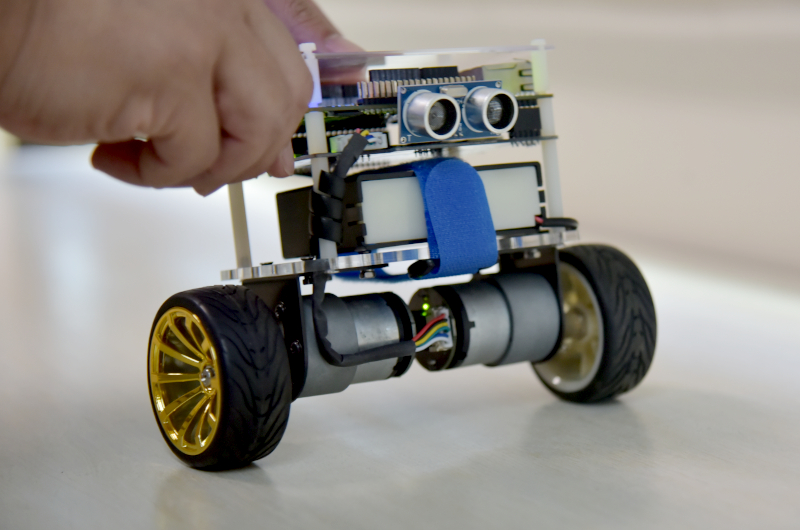
Associate Professor Sato is also focusing on developing computers for the next generation. One example is his research into ultra-efficient computers that can be used in space.
“Eighty years have passed since the invention of the electronic computer, and it has now become a versatile tool capable of doing almost anything, depending on the idea, although the challenge of increasing speed remains. However, while increasing the number of semiconductor transistors used for computation does boost processing speed, the approach of relying on sheer transistor volume to drive performance—as seen in today's data centers—consumes an enormous amount of power. That's why we are trying to improve performance and efficiency through the power of software, such as using compilers to minimize memory access and automating the generation of efficient code by eliminating unnecessary calculations. Even with the current supercomputers, it is frequently observed that only about 10% of peak performance is achieved. This is because of unavoidable time loss waiting for main memory access and communication synchronization. To solve this, we are working on how to extract maximum performance with the minimum number of necessary processing operations.”
Thus, Associate Professor Sato and his colleagues, in collaboration with JAXA and the University of Tokyo, have succeeded in developing a dedicated computer that can process—in real time and using less than 20 watts—the algorithms necessary for monitoring the conditions required for spacecraft and space vehicles to operate autonomously.
"Further refinement of this technology will be necessary before it can actually be adopted in spacecraft," says Associate Professor Sato, but there is no doubt that such efficiency-enhancing technologies will become critical technologies not only in outer space but also in a carbon-neutral society.
Furthermore, the team are working on developing computers that mimic the mechanisms of the human brain, which can perform advanced information processing with only a little learning process.
“Despite consuming only about 20 watts of power and occupying a volume of roughly one liter, the human brain performs incredibly sophisticated information processing. It possesses processing capabilities that are vastly superior to even the latest AI-oriented computers in a variety of ways. While much about the human brain remains a mystery and the path to a breakthrough is not yet in sight, we have not given up. We are conducting our research with the ultimate goal of one day realizing a computer that matches the human brain in both performance and efficiency,” Associate Professor Sato concluded.
Reporter's Note
Associate Professor Sato's research began with a desire to build his own computer himself. This mindset permeates his current research approach of “building something that actually works first.” However, he also notes that his joint research with MIT has led to a renewed appreciation for the importance of theory. Although Associate Professor Sato spoke in a gentle manner, the interview revealed a real sense of his high aspirations and enthusiasm—culminating in his declaration that he wants to create the “ultimate computer.”
ソフトウェアとハードウェアをつなぎ、AI時代の究極のコンピュータを実現したい
佐藤幸紀AI*の普及により、いま、コンピュータにはかつてないほどの性能が求められている。そのカギを握るのは半導体やプロセッサだけではない。人間が書いたプログラムをコンピュータ語へと翻訳する「コンパイラ」など、ハードウェアとソフトウェアをつなぐ技術も、AI時代に欠かせない重要な基盤である。佐藤幸紀准教授はこうした境界領域を専門としながら、未来の夢のコンピュータを追い求めている。
*Artificial Intelligence
クラウド環境向けの新しいプログラミング言語をつくる
「私はAI時代に求められる、新しいコンピュータの設計をしています。ご存じのようにコンピュータは、半導体素子(トランジスタ)からなるCPUやメモリなどのハードウェアと、OSやアプリケーション、プログラミング言語などのソフトウェアで構成されています。私はその双方の境界を最適につなぐことで高性能かつ高効率に動くコンピュータをつくろうとしています。つまり、ハードとソフトの両方にまたがる研究をしているのです」と語るのは、豊橋技術科学大学の佐藤幸紀准教授である。その言葉通り、佐藤准教授はクラウドコンピュータ基盤の構築から実際に動作するプロトタイプの製作までを一貫して手掛けている。研究対象のスケールは、手のひらサイズの小さなコンピュータから、数万台ものサーバが並ぶデータセンタやスーパーコンピュータ「富岳」の規模にまで及ぶという。
とりわけ佐藤准教授の研究の核となるのが「コンパイラ」の設計だ。
「コンパイラとは、人間が書いたプログラムを、コンピュータが理解できる言葉へ翻訳するソフトウェアです。人間のプログラマは、PythonやC++といった書きやすい言語を使ってプログラミングをしますが、現在、スマートフォンや大型コンピュータ、スパコン、IoT機器、エッジデバイスなど、さまざまなコンピュータが活用されていて、それらをシームレスにつなぐクラウド環境では、用途に応じて数多くのプログラミング言語が使われています。たとえば、身近な旅行サイトやECサイトなどを動かす環境を用意する上では、10種類以上もの言語が使われています。
また、AIの進展に伴いハードウェアも進化しています。CPUだけでなく、一度に大量の計算を並列に行えるGPUや、AIの計算を高速かつ省電力で実行する専用プロセッサである『AIアクセラレータ』、さらには仮想的に回路をカスタマイズできる『FPGA(Field-Programmable Gate Array)』と、計算機ハードウェアの種類も増えていて、その都度、異なるプログラムを書く必要ある。そこで、われわれは一つのプログラムからさまざまな環境ごとに自動変換できる、ドメイン特化型言語(Domain-Specific Language:DSL)を開発しました」
DSLとは、特定の用途に特化してつくられたプログラミング言語のこと。汎用的なプログラミング言語よりも、それぞれの分野の処理を簡単に、効率よく記述できるように設計された言葉である。とりわけ佐藤准教授が開発しているDSLは、クラウド上で動作するコンピュータを便利に使うという用途に特化している。プログラマが一つの言語で記述すれば、コンパイラを介すことで、クラウド環境上で動作しているそれぞれの計算機ハードウェアに適したプログラムへと自動的に変換できるという優れモノだ。
「つまり、一つの言語で書くだけで、コンパイラがそれぞれのハードウェアが理解できる言葉へと自動で翻訳して実行してくれるのです。このDSLを使えば、プログラマはどう計算するのか、というアルゴリズムの開発に集中できます。多数のプログラミング言語が存在する中で、そのようなDSLが必要とされてはいるものの、実際につくろうとするとさまざまな分野にまたがる技術刷新が必要で非常に複雑なため、これまでほとんど誰も試そうとしてきませんでした。いわば未踏の研究領域と言えます」と佐藤准教授は語る。
さらに、佐藤准教授らはドメイン特化型の独自の通信プロトコルも開発。クラウド上での動作[麻田1.1]実証を成功させ、2026年3月にはETNETという国内ワークショップでプロトタイプのデモを行うなど、実装を進めている。
研究を加速させたMITとの出会い
このDSL研究の発展の背景には、20年以上に渡りDSLの理論研究を牽引してきたマサチューセッツ工科大学(MIT)のSaman Amarasinghe教授らの研究グループとの共同研究がある。
「10年ほど前、ふとした時に、私の研究の目指すべき方向性の先にはいつも、MITのコンパイラグループの成果があることに気づきました。もし一緒に議論できれば、私自身の研究も大きく飛躍するだろうと思ったのです。そこで個人的に連絡を取らせていただき、交流を深めてきました。その後、2024年からは科学技術振興機構(JST)の先端国際共同研究推進事業『次世代のためのASPIRE半導体分野』に採択され、研究室単位で共同研究をさせていただける体制をつくることができ、いまに至ります。私はもちろん、学生も現地に赴いたり、MITからも研究者に来ていただいたりするなど、活発な交流を図っています。2028年までの研究期間に研究をさらに加速したいですね」
AIやクラウド関連の研究はとりわけ国際競争が激しい分野だが、佐藤准教授とMITの共同研究は非常にうまくいっているという。その理由は、MIT側の研究者がコンパイラ基盤のオープンソース化に積極的なことに加え、お互いの得意分野を生かしながら役割分担ができているからだと佐藤准教授は説明する。
「MIT側はDSLやコンパイラの理論構築や基礎技術の開発といった低いレイヤーでの研究を担い、私たちはその理論をAIやクラウド、ネットワークへ実装する応用研究を担います。競争というより、一緒により良いものをつくり上げるためのチームとして機能しています」
特にMITの研究者たちがこの共同研究で大きなメリット感じているのは、豊橋技術科学大学側の実装力の高さだという。「自分たちのつくった理論やプロトタイプを、さらに拡張し、発展させて見せてくれるのが嬉しいと、言っていただきました」と佐藤准教授は胸を張る。この共同研究が、論文などの成果を生み出すだけでなく、人材育成においても大きな意義を持っているのも頷ける。今後は共同研究を踏まえて、この分野のマイルストーンとなるような成果を発表していきたい、と佐藤准教授は意気込みを語った。
未来のコンピュータのための基盤技術を
さらに佐藤准教授は、次世代に求められるコンピュータの開発にも注力している。その一つが宇宙で使える超高効率なコンピュータの研究だ。
「電子式のコンピュータが生まれて80年が経ち、いまやアイデア次第で何でもできる万能な道具になりました。しかし、いまも高速化へのチャレンジは続いています。一方で、計算に使う半導体トランジスタの個数を増やせばコンピュータの処理速度は速くはなるものの、トランジスタの物量にものを言わせて性能を稼ぐという、いまのデータセンターで見られるようなやり方では、とてつもなく電力を消費してしまいます。そこで私たちはコンパイラでメモリのアクセスを極力抑えたり、無駄な演算を極力省き効率的に処理できるコードの生成を自動化したり、ソフトウェアの力で性能と効率を上げようとしているのです。現状のスパコンも、メインメモリへのアクセスや通信の同期処理などの本質的には無駄な処理によって、最大性能の10%程度しか引き出せていないという事象もしばしば見られます。これを解消するために、いかに必要最小限の処理動作で最大性能を引き出せるかに取り組んでいるのです」
こうして佐藤准教授らはJAXAや東京大学と共同で、宇宙船や宇宙機が自律的に動く際に必要な状態を監視するアルゴリズムを、20ワット以下でリアルタイム処理できる専用コンピュータの開発に成功したという。
「実際に宇宙機に採用するには、さらに技術を磨く必要があります」と佐藤准教授は言うが、こうした効率化の技術は宇宙空間に限らず、カーボンニュートラル社会において重要な基盤技術になることは間違いないだろう。
さらに、少ない学習量で高度な情報処理を行う人間の脳のしくみを模倣するコンピュータの開発にも挑戦している。
「人間の脳は、消費電力が20ワット、体積1リットル程度にもかかわらず、実に高度な情報処理を行なっています。最新のAI向けコンピュータと比較しても、桁違いに優れた処理能力をさまざまに有しています。人間の脳についてはまだ解明されていないことが多く、ブレークスルーの緒はなかなか見つけられそうにありませんが、それでも諦めてはいません。いつか、人間の脳に匹敵するような高性能かつ高効率な究極のコンピュータを実現したい、という気持ちで研究に臨んでいます」と佐藤准教授は締め括った。
(取材・文=田井中麻都佳)
取材後記
「コンピュータを自分でつくってみたい」という思いを原点に研究に取り組んできた佐藤准教授。その姿勢は、「まず動くものをつくる」という現在の研究スタイルに貫かれている。一方で、MITとの共同研究を通じて理論の重要性も改めて実感していると言う。穏やかな語り口ながらも、最後には、「究極のコンピュータをつくりたい」という言葉が飛び出したように、佐藤先生の志の高さと意気込みを感じる取材でした。
Researcher Profile
| Name | Yukinori Sato |
|---|---|
| Affiliation | Department of Computer Science and Engineering |
| Title | Associate Professor |
| Fields of Research | Computer architecture / High-performance computer system / Software performance engineering |

Reporter Profile
Madoka Tainaka
Editor and writer. Former committee member on the Ministry of Education, Culture, Sports, Science and Technology Council for Science and Technology, Information Science Technology Committee and editor at NII Today, a publication from the National Institute of Informatics. She interviews researchers at universities and businesses, produces content for executives, and also plans, edits, and writes books.